Secure Networking: Protect Your Digital Assets Today

In an age where our lives are increasingly intertwined with technology, the importance of secure networking cannot be overstated. Cyber threats are evolving, and the stakes are higher than ever. Whether you are an individual, a small business, or part of a large corporation, understanding how to protect your digital assets is crucial. This blog post will explore the fundamentals of secure networking, practical strategies to enhance your security, and the tools available to safeguard your information.
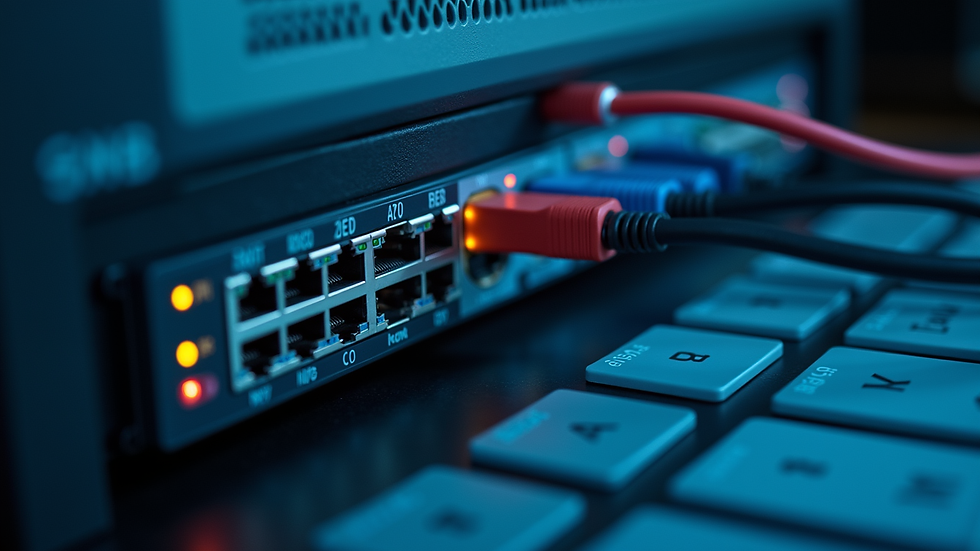
Understanding Secure Networking
Secure networking refers to the practices and technologies used to protect data during transmission and storage. It encompasses various strategies, including encryption, firewalls, and secure protocols, to ensure that unauthorized users cannot access sensitive information.
Why Secure Networking Matters
Data Protection: With the rise of data breaches, protecting sensitive information is essential. Secure networking helps prevent unauthorized access to personal and financial data.
Trust and Reputation: For businesses, a secure network fosters trust among customers. A single breach can damage a company's reputation and lead to financial losses.
Compliance: Many industries are subject to regulations that require secure handling of data. Non-compliance can result in hefty fines and legal issues.
Key Components of Secure Networking
To build a robust secure networking framework, consider the following components:
Firewalls
Firewalls act as a barrier between your internal network and external threats. They monitor incoming and outgoing traffic and can block unauthorized access.
Types of Firewalls:
- Packet-filtering Firewalls: Examine packets and allow or block them based on predefined rules.
- Stateful Inspection Firewalls: Track active connections and make decisions based on the state of the connection.
- Next-Generation Firewalls (NGFW): Combine traditional firewall capabilities with advanced features like intrusion prevention and application awareness.
Encryption
Encryption is the process of converting data into a code to prevent unauthorized access. It is essential for protecting sensitive information, especially during transmission over the internet.
Types of Encryption:
- Symmetric Encryption: Uses the same key for both encryption and decryption. It is fast but requires secure key management.
- Asymmetric Encryption: Uses a pair of keys (public and private) for encryption and decryption. It is more secure but slower than symmetric encryption.
Virtual Private Networks (VPNs)
A VPN creates a secure connection over the internet, allowing users to send and receive data as if they were directly connected to a private network. This is particularly useful for remote workers and businesses with multiple locations.
Benefits of VPNs:
- Enhanced Security: Encrypts data, making it difficult for hackers to intercept.
- Anonymity: Masks the user's IP address, providing an additional layer of privacy.
Best Practices for Secure Networking
Implementing secure networking practices is essential for protecting your digital assets. Here are some best practices to consider:
Regular Software Updates
Keeping software up to date is crucial for security. Software developers frequently release updates to patch vulnerabilities that could be exploited by cybercriminals.
Tip: Enable automatic updates for your operating system and applications whenever possible.
Strong Password Policies
Weak passwords are one of the most common vulnerabilities in secure networking. Implementing strong password policies can significantly reduce the risk of unauthorized access.
Guidelines for Strong Passwords:
- Use a mix of uppercase and lowercase letters, numbers, and special characters.
- Avoid using easily guessable information, such as birthdays or common words.
- Change passwords regularly and avoid reusing old passwords.
Multi-Factor Authentication (MFA)
MFA adds an extra layer of security by requiring users to provide two or more verification factors to gain access to an account. This makes it much harder for unauthorized users to gain access.
Common MFA Methods:
- SMS or email verification codes.
- Authentication apps (e.g., Google Authenticator).
- Biometric verification (e.g., fingerprint or facial recognition).
Network Segmentation
Dividing your network into smaller, isolated segments can limit the spread of a potential breach. If one segment is compromised, the others remain secure.
Example: A company might separate its guest Wi-Fi network from its internal network to prevent unauthorized access to sensitive data.
Tools for Enhancing Secure Networking
Several tools can help enhance your secure networking efforts:
Intrusion Detection Systems (IDS)
An IDS monitors network traffic for suspicious activity and alerts administrators of potential threats. This proactive approach can help identify and mitigate attacks before they cause significant damage.
Security Information and Event Management (SIEM)
SIEM solutions aggregate and analyze security data from across your network, providing real-time insights into potential threats. This can help organizations respond quickly to incidents.
Endpoint Protection
Endpoint protection solutions secure devices connected to your network, such as computers, smartphones, and tablets. These tools can detect and respond to threats on individual devices, preventing them from spreading to the broader network.
The Role of Employee Training
Human error is often the weakest link in secure networking. Regular training can help employees recognize potential threats and understand best practices for maintaining security.
Training Topics to Cover
Phishing Awareness: Teach employees how to identify phishing emails and avoid falling victim to scams.
Password Management: Encourage the use of strong passwords and the importance of MFA.
Safe Browsing Practices: Educate employees on the risks of visiting unsecured websites and downloading unknown files.
Conclusion
In today's digital landscape, secure networking is not just an option; it is a necessity. By understanding the key components, implementing best practices, and utilizing the right tools, you can significantly enhance your security posture. Remember, protecting your digital assets is an ongoing process that requires vigilance and adaptation to new threats. Take action today to safeguard your information and ensure a secure future.
By prioritizing secure networking, you not only protect your data but also build trust with your customers and stakeholders. Start implementing these strategies now and take the first step towards a more secure digital environment.
Comments